
Pet food
Food for Friends — predictable reorder cadence for independent retailers
“Reorders happen on cadence — without us chasing.”
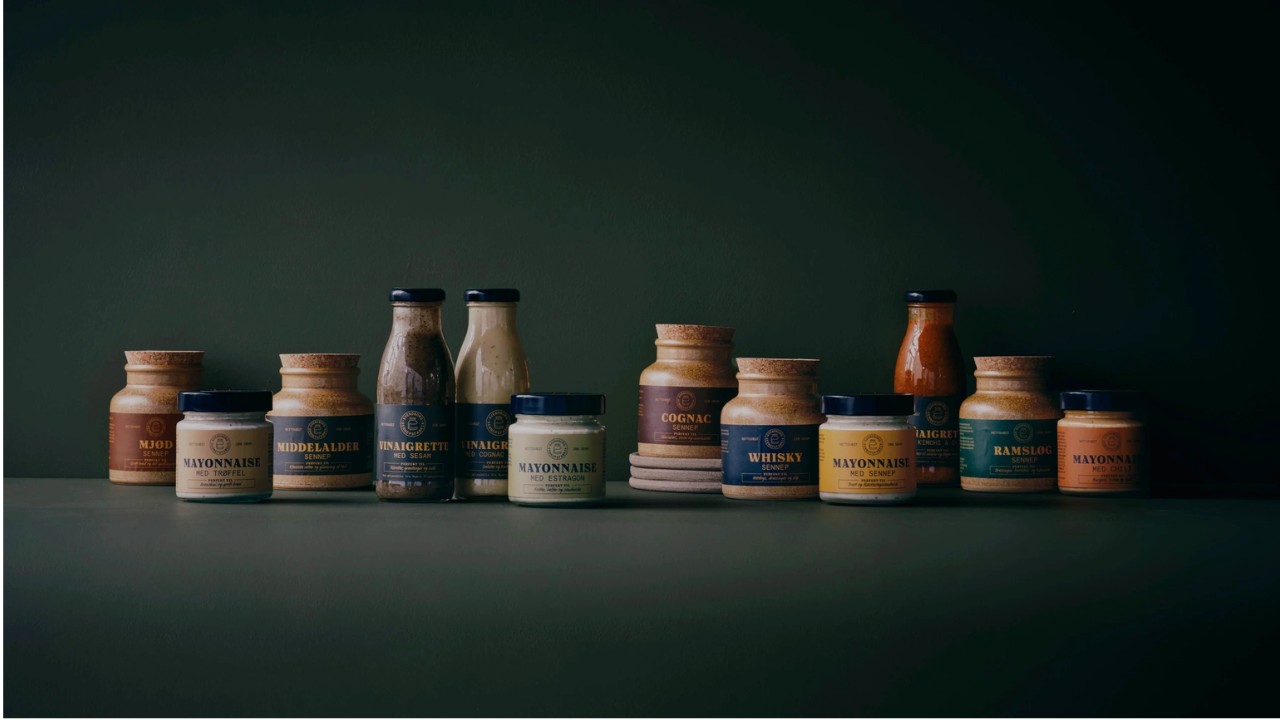
Food for Friends, a Nordic pet-food brand, didn’t have a sales problem — they had a cadence problem. Retailers reordered, but inconsistently. Some weeks the pipeline was full; some weeks it was thin. The team spent meaningful time chasing reorders that should have happened naturally — “you’re due for a top-up, want us to send the usual?” — instead of working on growth.
That chasing wasn’t a sales problem; it was a system problem. The retailers wanted to reorder. They just didn’t have a frictionless way to do it at the moment they noticed stock was low. Email back to the rep, wait, get confirmation, get an invoice — by the time the loop closed, the natural urgency had passed.
The reorder cycle was the real product
The team’s insight was that for a consumable brand like theirs, the reorder cycle is the business. New retailer acquisition matters, but the compounding revenue is in retailers reordering on cadence. Anything that slows that cadence costs revenue twice — once in the missed order, and once in the rep time spent chasing it.
They wanted a platform that let retailers reorder in 30 seconds at the moment they noticed they needed to. And they wanted intelligent reminders — based on actual reorder data, not generic newsletters — that nudged retailers at the right time without the rep needing to.
Why Turis
The fit came down to two product surfaces: the storefront’s repeat-order flow (one-click reorder of the last basket, customer-specific pricing baked in) and Pulse — Turis’s data-driven email layer that times reminders based on each customer’s actual ordering pattern, not a calendar blast.
The combination meant retailers could complete a reorder without ever opening their inbox to find a quote — and when Pulse did remind them, it landed at the moment the data suggested they were about to reorder anyway, making the email feel useful rather than promotional.
Going live
Standard rollout cadence — catalog, customer accounts, ERP integration, branded storefront — but with extra time spent on the Pulse configuration. Defining the reorder windows per product category, mapping each customer’s segment, dialling in the email tone. The platform did the timing work; the team did the message work.
Reorders happen on cadence — without the team chasing
“Reorders happen on cadence — without us chasing.” That’s the team’s summary, and it describes a meaningful operational shift. The pipeline became predictable: retailers reordered in their natural rhythm, Pulse caught the few that were drifting, the rep team stopped being a manual reminder service.
The freed-up rep time went into growth: new retailer conversations, range expansion with existing accounts, market work. The kind of activity that compounds — and that previously got squeezed out by the chasing.
What “Pulse-driven” actually means here
Pulse isn’t a newsletter. It’s a per-account reminder system that learns each customer’s reorder cadence and sends timed, personal nudges — “you usually reorder this size around now” — at the moment the data suggests they’re about to need to. It works because it’s data-grounded rather than calendar-grounded; the same email blasted to everyone would have produced the opposite effect (more inbox noise, less response).
For a consumable brand operating on cadence, that’s the difference between a reorder loop that runs itself and one that needs constant human energy to keep moving.