
Pet food
Buddy Pet Foods — from inbox PO chaos to one order pipeline
“One order desk, one pipeline — instead of an inbox full of PDFs.”
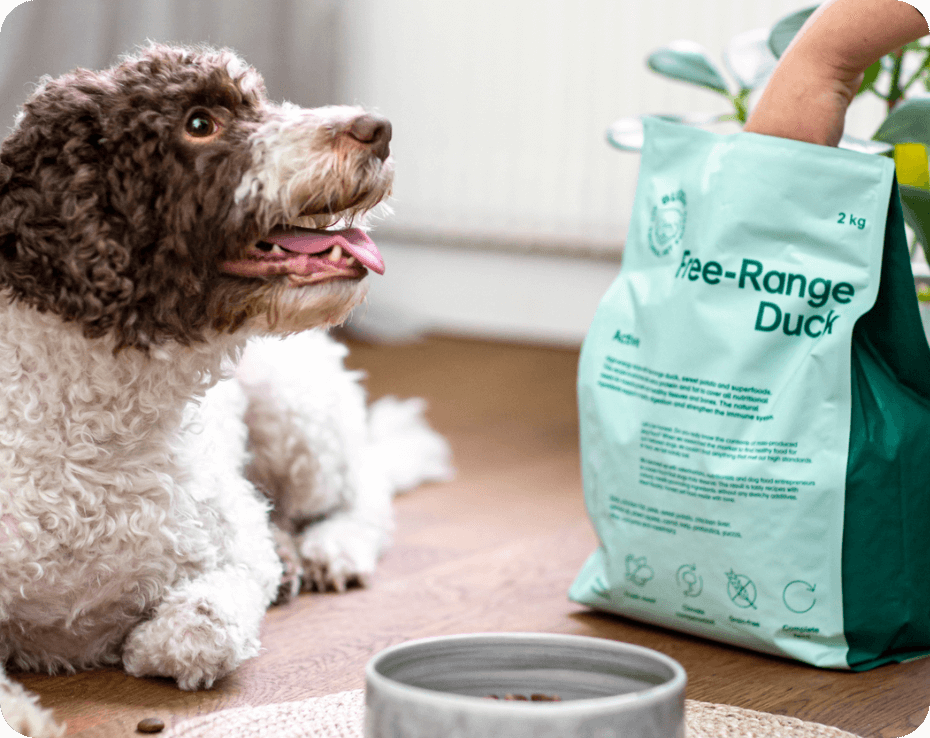
Buddy Pet Foods’s wholesale operation lived in the inbox. Retailers emailed POs — sometimes as PDFs, sometimes as inline text, sometimes as photos of handwritten order sheets. The team keyed them into the ERP, applied the right pricing, sent confirmations, and chased the inevitable typos. Six channels, one inbox, no actual pipeline.
The team wanted one pipeline. One inbox where every wholesale order — regardless of how the retailer chose to place it — landed in a consistent, structured, processable form. No more sorting between formats. No more re-keying. No more “did anyone process the Tuesday batch?” because the visibility was bad.
Multi-channel chaos to one pipeline
The fragmentation wasn’t just an operational annoyance — it was a data problem. With orders scattered across PDFs and email threads, building a clean view of the wholesale business required manual aggregation work. Reporting lagged. Pattern-spotting was hard. The team operated on intuition because the data was too messy to consult quickly.
The fix wasn’t to force retailers into a single channel — they had their preferences and the brand wasn’t going to fight them. The fix was to give every channel a clean back-end home, so the team worked with one pipeline regardless of which front door an order came through.
Why Turis
The platform did three things that made the consolidation possible. First, the self-serve storefront gave retailers a clear default path — and most of them migrated to it once they saw the speed advantage. Second, email orders that still came in could be handled through Turis Vision — extracted, structured, and added to the same pipeline as the storefront orders. Third, the ERP integration meant every order, regardless of origin, flowed downstream in the same shape.
“One order desk, one pipeline — instead of an inbox full of PDFs.” That’s the team’s summary, and it describes the actual operational shape change. The pipeline became the source of truth; the inbox became a channel into it, not a parallel system.
Going live
The rollout sequenced naturally. Storefront live first, with the biggest retailers cut over to self-serve. Vision configured to handle the email-PO traffic that remained. ERP integration plumbed in so downstream systems saw the consolidated pipeline. Internal team trained on the unified order desk view.
Within a few weeks, the wholesale operation had one place to look — the Turis order desk — for everything in flight. The inbox stopped being a system of record and became a notification channel.
What changed for the team
The day-to-day shift was significant. Order processing time per order dropped because there was no re-keying. Error rates dropped because the data was structured at capture, not reconciled later. Visibility improved because every order was in one queryable place. The team’s attention shifted from data hygiene to commercial work — onboarding new retailers, working with bigger accounts, expanding the range.
The unified pipeline as a strategic advantage
The consolidation paid dividends beyond ops. Clean structured data meant reporting got fast and trustworthy — segment-level revenue, retailer-level cadence, product-level velocity all became queryable instead of requiring a spreadsheet project. That changed how the team made decisions. Range edits, pricing changes, retailer-specific terms — all got grounded in actual data rather than directional intuition.
The platform absorbed the channel fragmentation that used to absorb the team’s time. That’s the trade Turis is built for.